Amazon PPC Campaign Segmentation for Higher ROI | Guide
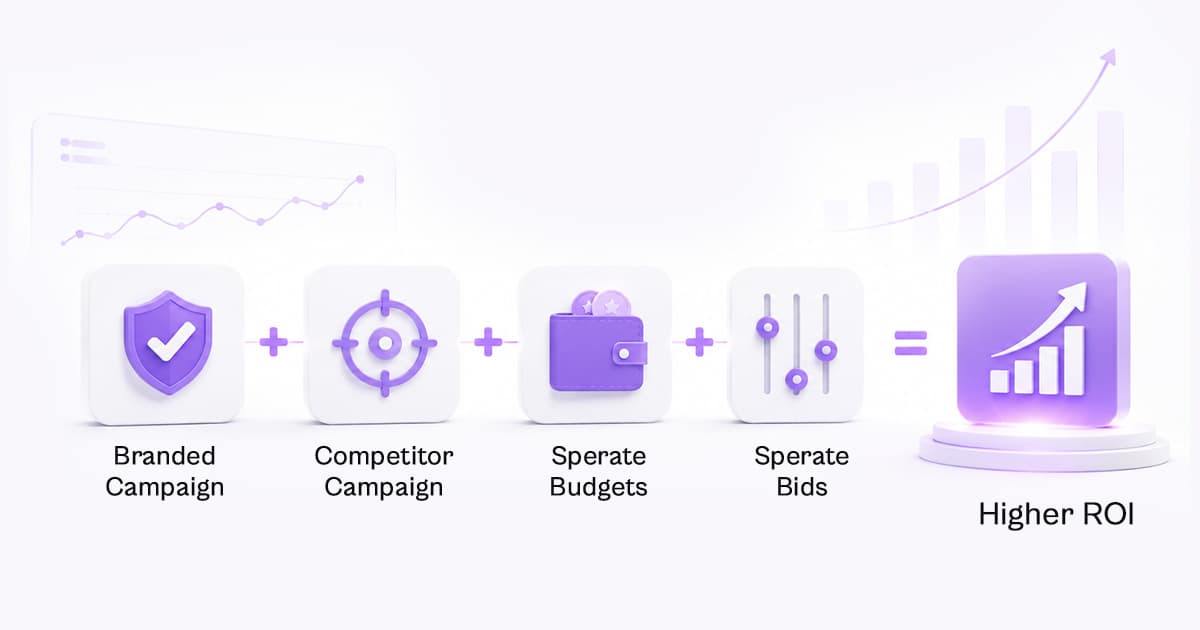
Learn how to structure Amazon PPC campaigns by separating branded, competitor, and generic keywords. This guide explains why proper campaign segmentation improves ad performance, lowers ACoS, increases ROI, and gives you better control over bids and budgets. Whether you're new to Amazon advertising or looking to optimize existing campaigns, this strategy can help maximize your Sponsored Products performance.
Imagine you own a toy store. One kid walks in and gleefully clamors out, "I want a Superman-Brand Superhero Robot!" They already know your name. They are looking for nothing other than you. This requires explicit knowledge of its context, but what if they waltzed into the shop around the corner looking for a different toy and you wanted to catch their eye with your robot?
This flag-waving in the online shopping world is known as amazon ppc (Pay-Per-Click ads). This amazon ppc guide will teach you how to go at them and weed out the people who already know your brand name from those looking at your competitors.
Because your secret word lists are split into various buckets, that means your amazon sponsored products notices will show up at the right spot, to the perfect individual, precisely when required. In this section, we will learn how to use a smart amazon sponsored products strategy. If you can see a master list of the search words people use when they want to make their online ads perform better.
Interesting Shopping Note: How Ads Are a Ticket to the Game. Wasting your pocket money if you buy tickets to the wrong game! The maximum secret of amazon ppc optimization to split your keywords is you only buy tickets (you bid) for games that you know you can win.
Part 1: The Three Magic Buckets of Keywords
When creating your ads, you never want to throw all your words into one soup. Instead, clean them into three boxes:
Bucket #1: Your Own Brand Name (Branded Keywords)
These are terms containing your actual brand name. Those who use these terms are already in search of you. Amazon is working, and those ads are cheap to run; after all, Amazon knows you are the best match for your own name!
Bucket #2: Competitor Brand Names (Competitor Keywords)
Alternatively, you can filter by brand name to uncover potential competitive keywords when researching your competitors. Want to know something? These are words of your competitors. You utilize these words to advertise your products to customers who are browsing the page of another store at that time right now.
Bucket #3: General Category Words (General Keywords)
These are common, everyday terms like "warm blanket" and "red sneaker," where absolutely no trademark names of any company are being used.
Part 2: The Math Behind Your Advertising Spend
To understand why it is so important that we separate these words, we must revisit how math runs your ad campaigns.
Calculating Total Ad Spend
Your total campaign budget is the collection of amounts paid for each distinct bucket:
{Total Spend} = Branded Spend + Generic Spend - Branded Drained Volume + Competitor Spend + Competitor Drained Volume
Understanding ACoS (Advertising Cost of Sales)
Here is ACoS (Advertising Cost of Sales) briefly. Amazon uses a formula called ACoS to measure how well your ads are working. It lets you know what your sales percentage was going into paying for the ad:
ACoS % = (Total Ad Spend/Ad Revenue) X 100
Because if you throw in cheap brand keywords together with expensive competitor keywords, your math is not clean. By separating them you can see the actual cost of each one!
Part 3: Why Splitting Your Words Saves You Money
Essential Guide to Amazon PPC for Beginners
If you are a beginner in learning amazon ppc for beginners, when you mix up your name with the names of the enemy, your computers get totally confused. It stirs easy sales with hard sales, which makes the truth about your money not come out.
Modern Ads: Amazon PPC 2026
To do this, the top stores use a special trick (which we will explain that shows you amazing results): amazon ppc bid optimization in amazon ppc 2026. They spend just a few dollars on their proprietary brand keywords because those shoppers are already loyal.
Exponentially Grow Your Business: Scale More on Amazon Using PPC
The unspent cash from the bids on keywords that are too high will allow you to buy keywords that work. This perfect balance will increase amazon sales with ppc without breaking the bank.
The End-Goal: To Lower Amazon ACoS
By separating your ads, you can immediately begin to realize which keywords cost way too much money here. This is the fastest method to lower amazon ACoS while keeping your overall business in decent shape.
The Easy-to-Understand Ad Setup Ledger
The Keyword Bucket | How Hard Is It to Win the Sale? | How Much Money Should You Bid? | Target ACoS Target |
|---|---|---|---|
Your Own Brand Name | Super Easy! (They want you) | Low (Keep it cheap to protect your home base) | Low 15% |
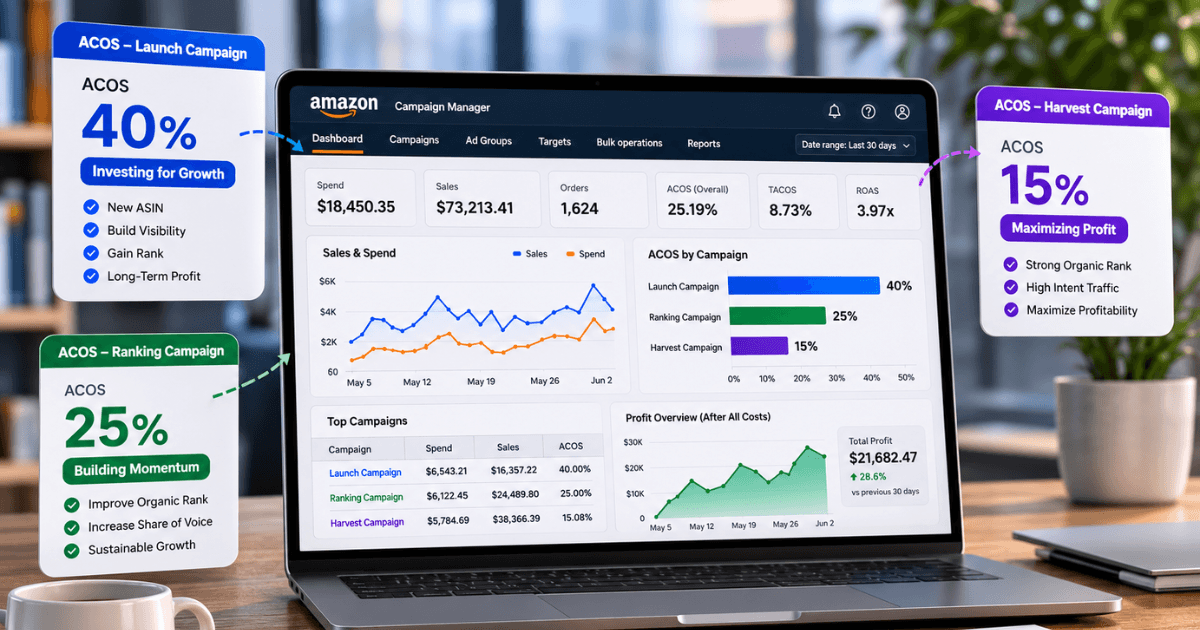
General Words | Medium (They are just browsing) | Medium (Be careful not to overspend) | Balanced 20–35% |
Rival Brand Names | Hard (You must steal their attention!) | High (Only bid on your best items) | High 50% |
Part 4: You Activated Your Ad Machine
Without an amazon ppc profit strategy, amazon sponsored ads optimization does not function well. However, especially if you have a small list of keywords, I recommend creating a unique "Manual" campaign where you enter the words in yourself to avoid leaving them to computers to guess for you.
Everything brand goes in one campaign folder, everything rival goes in a completely different folder. This allows you to dial up the volume knobs for each budget!
Simple Answers for Big Questions
Q1: How to target competitors through the sponsored products?
If you want to learn how to target competitors with sponsored products, consider it the equivalent of erecting an awesome billboard right outside their front door. You find the exact product code or brand name from your biggest competitor and type it into your manual ad campaign. So, if a shopper goes to buy the competitor's product, your product appears right underneath it as a less expensive or higher-quality product!
Q2: What about amazon sponsored products automatic vs manual targeting?
Automatic targeting is like letting a robot drive your bicycle when comparing amazon sponsored products automatic vs manual targeting. Simple, except the robot could drive you into a puddle! It puts the handlebars into manual mode. It allows you to select the words themselves so that you do not spend money on bad searches.
Q3: Which is the best amazon sponsored products bid strategy 2026?
For the best amazon sponsored products bid strategy 2026: High bids on the words that earn, cheap coins on the rest. If you are unable to sell after ten clicks on a keyword, lower the bid price immediately so as not to exhaust your allowance.
Q4: Is there a simple answer on how to reduce ACoS in Amazon PPC?
The number one trick of how to reduce ACoS in amazon ppc campaigns is Negative Keywords. For this you will need to attach a negative term to the keywords mentioned above if you are selling luxury leather shoes. Then add a word like "free" or "plastic." This says to Amazon's computer: "Don't ever show my ad when someone types of those words!" This saves your money for buyers who are looking to buy.
Conclusion: If You Are Going to Play It, Win It
Selling on Amazon is exactly like playing a smart strategy game. No prizes for being unorganized!
You take care of your own brand words and leave behind the words that refer to your competitors so you can save some dollars and make new friends who will adore what it is that you create. So, keep your ad buckets clean, run the numbers every week and get ready to see your store grow bigger and happier month after month!

Vishal Barot
vishal@esellerworld.com
Vishal Barot is an Amazon marketplace expert specializing in high-converting product listings, content strategy, and growth-driven ideas. With deep knowledge of Amazon SEO, buyer psychology, and platform policies, he helps brands create optimized listings that improve visibility, boost conversions, and drive sustainable sales.