FBA vs FBM 2026: Full Cost & Profitability Comparison
FBA or FBM? In 2026, the right answer comes down to cold, hard numbers — not gut instinct. This decision matrix breaks fulfillment down into clear, scannable comparisons across profitability, operations, and inventory control, so you can match the model to your catalog.
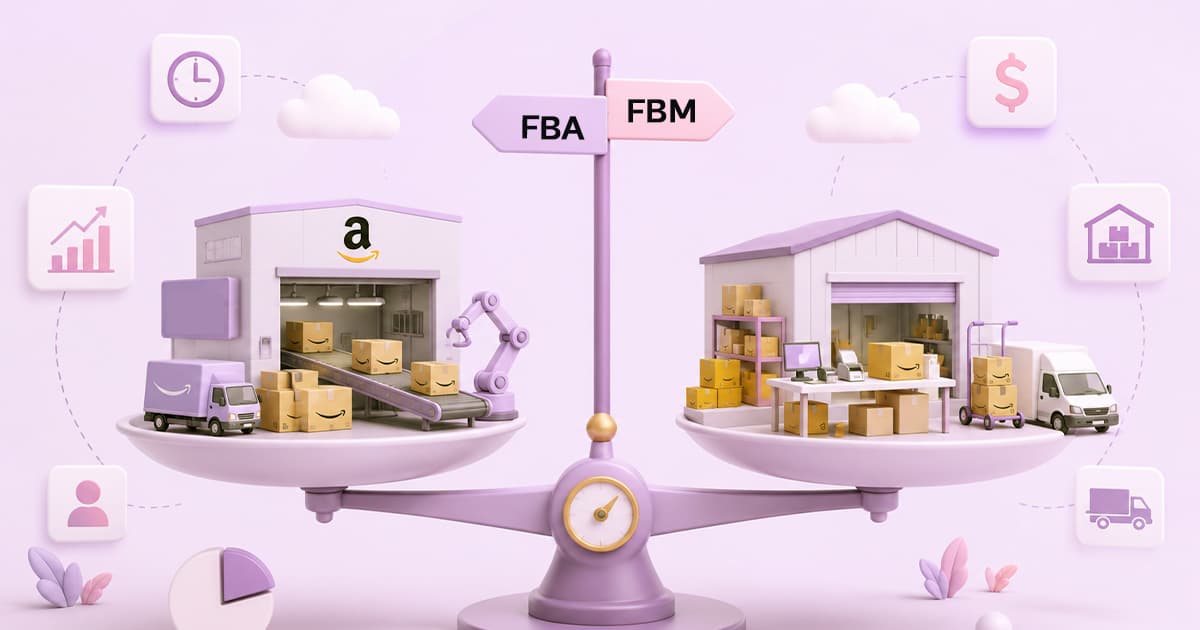
A Decision Matrix: Amazon FBA vs FBM — 2026 Logistics Crossroad
All e-commerce executives are facing the same dilemma this year with higher stakes than ever: FBA or FBM? They need to keep their net margins intact while ensuring customer conversion speeds remain active. Forget cookie-cutter industry recommendations — navigating the Amazon FBA vs FBM 2026 dynamics requires more than guesswork. A tactical audit of storage overhead, fulfillment speed, plus inventory control ought to be practicable.
Instead, this guide throws the dense, regular blog-iteration style out the window and uses a clean, scannable corporate decision matrix. Check out the structural breakdowns below to see which one matches your brand's physical footprint.
Dimension 1: Marketplace Valuation
Is Amazon FBA Worth It in 2026?
To answer accurately whether Amazon FBA is worth it in 2026, an enterprise must balance warehouse automation against rising marketplace storage prices. Amazon provides immediate, programmatic access to the high-converting Prime ecosystem through third-party fulfillment. The platform takes on the weight of customer care, tracking across multiple locations, and immediate processing of returns. On the other hand, this convenience incurs premium fees that increase significantly during peak periods (best reserved for fast-turning, compact items), which can reduce your total account ROI.
[Inbound Shipping Arrival] ──► Amazon Regional Distribution ──► Programmatic Prime Badge ──► Fast Velocity
Direct Channel Margin Control: FBA vs FBM Profitability
When comparing FBA vs FBM profitability, the scale moves directly toward whichever handling parameters control cost-per-unit metrics. With FBM management of your distribution, you avoid sudden jumps in platform service costs and unannounced policy tweaks that can hit your corporate coffers. It gives you the flexibility to serve multi-channel retail streams from one consolidated inventory pool — but watch out, since your internal warehouse team must execute orders impeccably or risk buy-box suppression.
Dimension 2: Core Operating Capabilities
Choosing the Right Fulfillment Method for Amazon in 2026
Choosing the optimal fulfillment method for Amazon in 2026 is highly dependent on your catalog's physical complexity, weight capacity, and operational infrastructure.
Standard-Size, High-Margin Products: These thrive using FBA's automated, same-day fulfillment channels with algorithmic search visibility.
Oversized, Heavy, or Hazmat SKUs: Will often find a more secure and cost-effective home within a dedicated, merchant-managed logistics network.
Multi-Channel Enterprise Catalogs: Benefit from FBM's full inventory control base, simplifying shipping across platforms without the steep fees for removal or cross-docking that FBA can impose.
Dimension 3: Operational Benefits & Practicalities
Balance the Scales: Amazon FBA Pros and Cons in 2026
One of the simplest frameworks for rating your options is weighing the complete matrix of Amazon FBA pros and cons in 2026 — a closer look at what structural compromises are inevitable within each delivery channel.
FBA: Prime Badge Velocity ◄─── [Choose Depending on Unit Dynamics] ────► FBM: Fixed Fee Insulation
FBA provides easy access to top-of-search visibility with almost zero friction, but its fee structures become a money pit the moment your stock turns go slack. FBM, on the other hand, requires a higher upfront capital commitment to set up warehouse management software and develop carrier partnerships — but it gives you total control over the unboxing experience, and inventory changes can be made in real time. Still dought about FBA, contact our FBA management team.
Corporate Performance Scorecard
Logistics Operational Vector | Fulfillment by Amazon (FBA) | Fulfillment by Merchant (FBM) |
|---|---|---|
Logistical Overhead | Fully automated; zero localized warehouse labor required | Handled in-house or via specialized 3PL partnerships |
Unboxing Control | Standardized, generic Amazon-branded packaging | Fully customizable, bespoke brand touchpoints allowed |
Inventory Agility | Bound by platform inbound queues and restocking limits | Real-time allocation changes across multiple retail nodes |
Strategic Answers & FAQ Breakdown
Consult this focused operational guide to inform your final supply chain decisions.
Q1: Amazon FBA vs FBM — Which Is More Profitable in 2026?
Ans: We conduct an exact per-unit margin analysis to determine whether FBA or FBM is more profitable in 2026. FBA works great for small but high-velocity inventory, where fast turnover easily outpaces accumulating storage fees (particularly for items that are both small and light). When it comes to heavy items or slow-moving product portfolios, an in-house setup or 3PL-managed FBM setup can win the margin game without paying excessively on steep fulfillment tier penalties.
Q2: FBA vs FBM for Low-Margin Products — How Do You Measure Which Is Best?
Ans: If you're planning in-house sales, FBA vs FBM for low-margin products tends to favor FBM for thinner-margin (10–15% less profitable) goods. FBA's flat picking-and-packing fees, plus weight-based charges, can wipe out the already-slim margins on low-cost goods. With FBM, you control packing materials and take advantage of volume shipping rates, protecting your net returns from being devoured by platform fees.
Q3: What Are the Primary FBM Benefits Over FBA for Sellers?
Ans: The primary FBM benefits over FBA for sellers center on operational independence and multi-channel flexibility. FBM sellers are fully protected from unexpected platform storage limit changes, inbound processing backlogs, and unannounced long-term inventory penalties. Because you retain full physical ownership of the inventory loop, it's also far easier to fulfill orders for the same batch across Shopify, eBay, or B2B channels.
Q4: Is It Better to Use FBA or FBM for Seasonal Products?
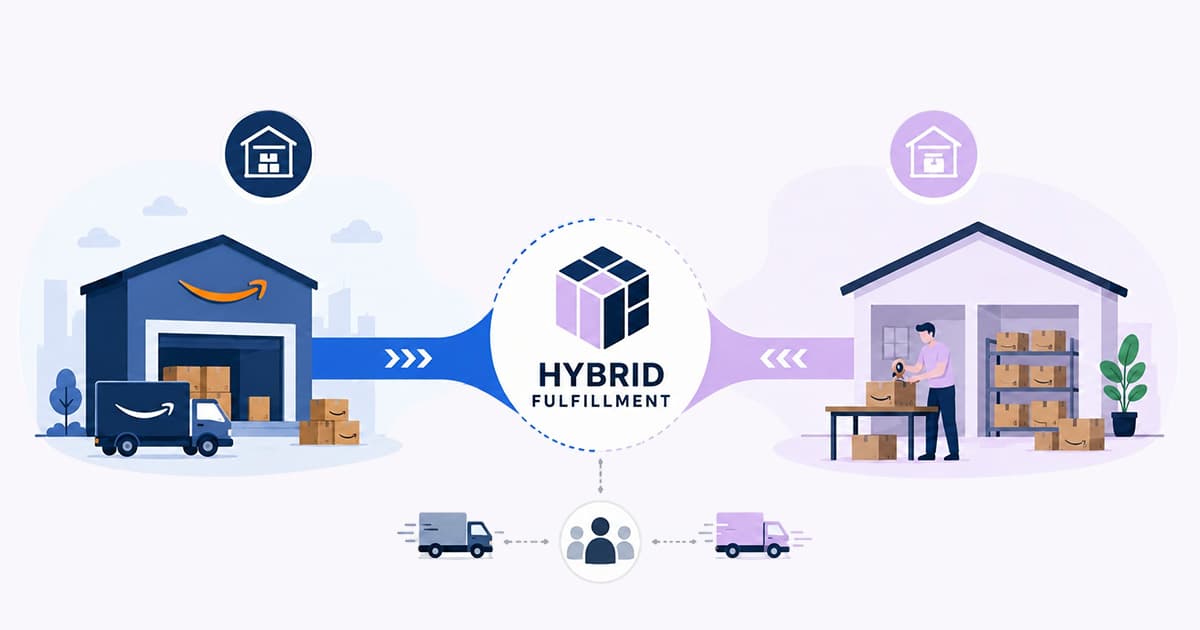
Ans: For seasonal products, most brands find it easier to use a hybrid approach or a lean FBM model. Depending solely on FBA exposes your business to potentially crippling long-term storage fees once the main purchasing window closes. By shifting seasonal SKUs to FBM, you can gradually downscale your warehouse footprint without incurring exorbitant Amazon inventory removal costs.
Q5: What's the Playbook for FBA vs FBM for Private Label Sellers in 2026?
Ans: For private label sellers, FBA vs FBM in 2026 plays out in stages. Launching a new private label catalog through FBA is extremely fast and generates immediate Prime algorithmic visibility along with early social proof. But as your private label SKUs expand into multi-pack variants, setting up an FBM backup listing ensures unexpected regional stockouts don't cost you buy-box visibility.
Conclusion: A Long-Term Growth Perspective
Your marketplace fulfillment architecture is a foundational business decision. This structured decision matrix protects your enterprise from a costly logistical miscalculation.
Whether you lean into FBA's fully automated scale or build internal discipline as a merchant-fulfillment best practice, base those determinations on hard data, margin safety metrics, and clear compliance guidelines. A data-first approach to your distribution model gives you the best shot at growing top-line sales volume while protecting bottom-line profit margins over the long term.
Get a Free Amazon Account Audit from eSeller World
Find out exactly what's holding your store back. Our experts dig into your account health, listings, and ad performance to uncover hidden errors and leaking opportunities — completely free, no obligations.

Vishal Barot
vishal@esellerworld.com
Vishal Barot is an Amazon marketplace expert specializing in high-converting product listings, content strategy, and growth-driven ideas. With deep knowledge of Amazon SEO, buyer psychology, and platform policies, he helps brands create optimized listings that improve visibility, boost conversions, and drive sustainable sales.